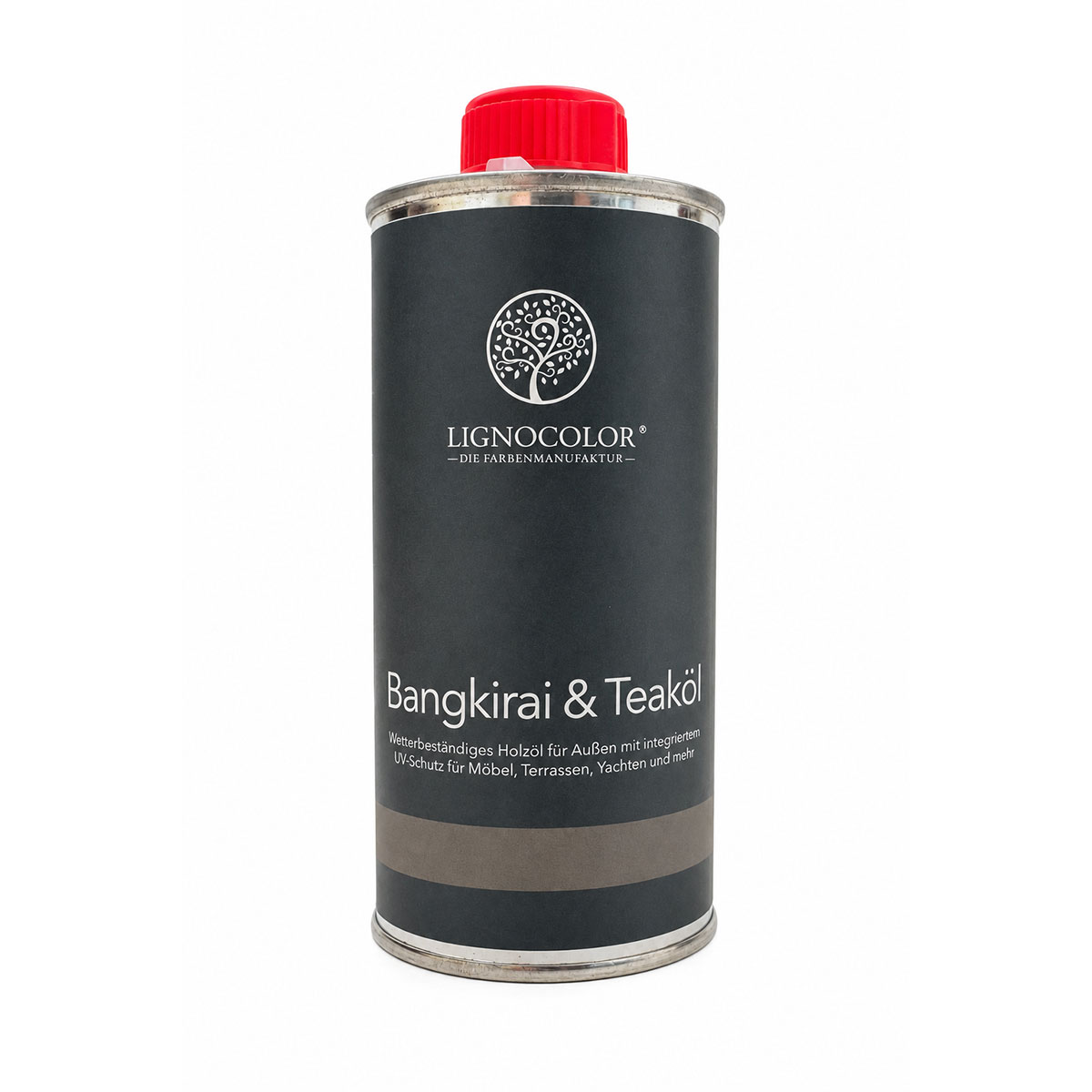
Yacht & Teak Oil for Robinia Wood

The right natural wood care product for your black locust wood.

15,95  VAT included

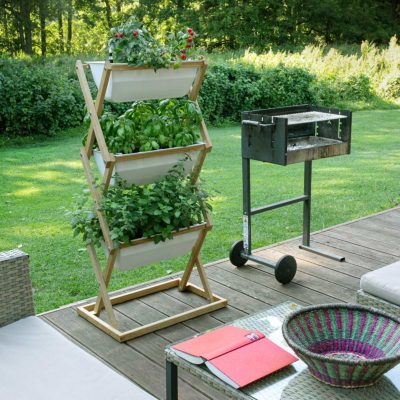
  • For raised beds, vertical gardens and window boxes
  • 250 ml for approx. 8–10 m² (depending on the type of wood)
  • Suitable for untreated, oiled or freshly sanded hardwood
  • Weather-resistant, biocide-free maintenance oil for all heavily used outdoor wooden surfaces
  • Penetrates deep into the wood and provides reliable protection against UV radiation, moisture, greying and brittleness
  • Preserves the warm, natural colour of the wood
  • Highlights the natural grain of the black locust wood
  • Even when left untreated, black locust wood remains durable
- +

2 - 4 working days

Yacht & Teak Oil by Lignocolor – for preserving the wood’s natural color.

Our raised beds, vertical gardens, and flower boxes are made from high-quality black locust wood. This exceptionally durable wood generally requires no additional surface treatment and can be used outdoors indefinitely without treatment.
If you want to preserve the wood’s warm, natural color for as long as possible, you can treat the surface with Lignocolor’s Bangkirai & Teak Oil. This high-quality wood oil nourishes the surface, accentuates the natural grain, and protects the wood from the elements, drying out, and premature graying.
Important to know: Robinia wood does not automatically turn gray just because it is outdoors. When exposed to sunlight, untreated robinia wood initially darkens and often develops a warm, fawn-brown hue—a natural “sunburn,” so to speak.

Your benefits at a glance:

  • Preserving the Natural Color of Wood
  • Significantly Slow Down the Aging Process
  • Highlight the wood grain
  • Simply refresh and maintain


The characteristic silver-grey patina develops mainly in areas where the wood is constantly exposed to sun and rain. It is only through regular weathering and the leaching of the wood’s surface components that the surface gradually takes on a grey hue. Under a canopy, on a partially covered balcony or in a sheltered spot, the wood’s original colour therefore usually lasts considerably longer.
Lignocolor Bangkirai & Teak Oil is the ideal care product for anyone who wishes to slow down this natural colour change and preserve the warm character of their black locust wood. Depending on the location and exposure to the elements, the treatment can be reapplied as required.
Recommendations for the use of black locust wood.

Black locust wood is naturally very durable and does not necessarily need to be treated. Bangkirai & Teak Oil is ideal for anyone who wishes to preserve the warm colour of the wood and slow down the greying caused by prolonged, direct exposure to the elements.


Location Overview

Location Exposure Oil Treatment Colour Development Without Treatment
Covered Very low weather exposure, no direct rain Not required, purely optional The robinia wood darkens to a warm, fawn-brown colour due to sunlight and develops very little greying.
Partially Covered Low to moderate weather exposure from driving rain or splashing water Optional to recommended Slow and potentially uneven colour changes between protected and exposed areas.
Fully Exposed Direct exposure to sunlight, rain and changing moisture levels Recommended for maintaining the original colour Over time, the wood develops a natural silver-grey patina.


Preparation

The wood must be clean, dry and free from grease. Remove any dirt and, if necessary, lightly sand the surface in the direction of the grain using 180–240-grit sandpaper. Then remove all sanding dust thoroughly. Sanding is not essential. Wood that has already turned grey should be degreyd or sanded down evenly before oiling. The oil will not restore an existing grey patina on its own.

Processing

Stir the oil thoroughly before use and test it first on an inconspicuous area. Apply a thin, even coat with a brush or sponge, working in the direction of the wood grain. Take particular care with edges, end grains and areas heavily exposed to the elements.

Allow the oil to soak in for around 15–30 minutes. Then remove any excess completely with a lint-free cotton cloth. No shiny or sticky patches should remain. Depending on the absorbency of the wood and the desired colour effect, one or two thin coats may be applied. Allow to dry for around 4–6 hours between coats.

Processing instructions

Do not apply to damp or very hot timber, or in direct midday sun. Protect the treated surface from rain and dirt whilst it is drying.

Tool cleaning

Clean brushes and tools immediately after use with a suitable brush cleaner for oil-based products. Never leave oil-soaked cloths and abrasive fleece crumpled up, as they may spontaneously combust. Lay them out to dry or store them submerged in water in a sealed, non-flammable container until they can be disposed of properly.


Frequently asked questions about the surface treatment of black locust wood.

Does black locust wood actually need to be oiled?

No. Robinia wood is naturally very durable and can be used outdoors on a long-term basis even without treatment. Treating it with wood oil is primarily intended to preserve the warm colour of the wood for longer and to slow down the natural greying process.

Is Bangkirai & Teak Oil suitable for black locust wood?

Yes. The oil is suitable for treating black locust wood and other hard-wearing hardwoods used outdoors. It soaks into the surface, brings out the grain and refreshes the wood’s natural colour.

Why does black locust wood turn grey?

Greying is caused by the interaction of sunlight and moisture. UV radiation initially alters the top layer of the wood. Rain gradually washes away these components, so that over time (often taking several years) a silvery-grey patina forms.

Does black locust wood turn grey even when kept under cover?

No. Robinia wood does not turn grey when stored in a fully covered location. Without regular exposure to rain, it often darkens initially due to sunlight and can develop a golden to fawn-brown hue.

When is an oil treatment recommended?

Treatment is particularly advisable for locations fully exposed to the elements if the original colour of the wood is to be preserved for as long as possible. For partially sheltered locations, it is optional, but can minimise differences in colour development between sheltered and unsheltered areas.

Can wood that has already turned grey simply be oiled?

The oil does not remove any existing grey patina. If you wish to restore the wood’s original colour, the surface must first be cleaned, degreyd or sanded down evenly.

How often does black locust wood need to be re-oiled?

This depends on the location, the weather conditions and the desired finish. Surfaces exposed to the elements usually need refreshing more often than those under cover. It is advisable to reapply the treatment as soon as the wood appears noticeably lighter in colour, dry or uneven. We recommend doing this once a year. Late autumn, after the balcony season has ended, is the best time.

How is the oil applied?

The wood must be clean, dry and free of dust. Apply the oil thinly and evenly in the direction of the wood grain. After leaving it to soak in for around 15–30 minutes, any excess oil should be completely removed with a lint-free cloth.

How many coats are required?

Depending on the wood’s absorbency and the desired colour effect, you can apply between one and three thin coats. It is better to apply several thin coats than one that is too thick.

Will the oil make the wood darker?

Yes. The oil intensifies the natural colour of the wood and brings out the grain. As wood is a natural material, the colour effect may vary slightly between individual components. We therefore recommend applying a test coat to an inconspicuous area.

Can the oil also be used on Urbanature products that have already been treated?

Yes, provided that the existing surface is open-pored, clean and sound. Any loose, cracked or non-porous existing coatings must be removed before treatment.

What should you bear in mind when using oil-soaked cloths?

Oil-soaked cloths and abrasive fleece sheets may spontaneously combust if crumpled up. After use, they must be left to dry completely when spread out, or kept submerged in water in a sealed, non-flammable container until they can be disposed of properly.

Data Sheet


Product Bangkirai & Teak Oil
Manufacturer Lignocolor
Product Type Natural care and wood oil for hardwoods
Area of Application Outdoor wood surfaces
Suitable for Raised beds, vertical gardens, flower boxes and planters made from robinia wood
Other Wood Types Bangkirai, teak and other suitable hardwoods
Application Initial treatment and refreshing of untreated or previously oiled wood surfaces
Effect Conditions the wood, reduces drying and slows down natural greying
Colour Effect Deepens the natural wood tone and enhances the grain
Surface Appearance Natural and open-pored
Container Size 250 ml
Coverage 13 – 26 m² (depending on the wood)
Number of Coats Depending on absorbency and the desired colour effect, apply 1–2 thin coats
Weight 0,25 kg

You may also like…

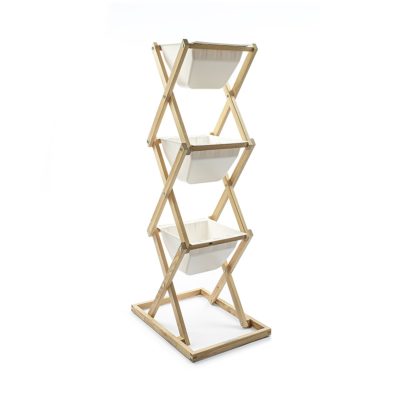
  • foltable raised bed collapsed with three containers BASIC

    incl. 19% VAT

    plus shipping costs

    2 - 4 working days

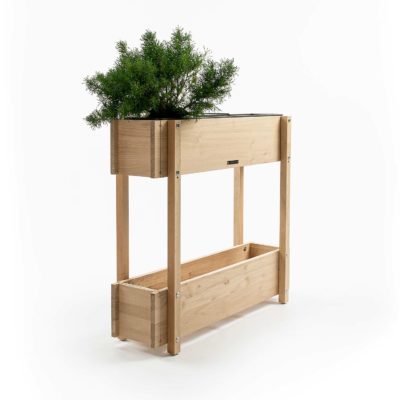
  • 2-tier planter with flower boxes made of black locust wood and olice herb

    incl. 19% VAT

    plus shipping costs

    5 - 10 days

  • Sale Vertikaler Garten Salat German Design AwardA vertical garden on a terrace with herbs

    incl. VAT

    plus shipping costs

    2 - 4 working days

  • freestanding planter with olive herb2-tier planter black locust wood with olive herb in a garden

    incl. VAT

    plus shipping costs

    5 - 10 days

Shopping Cart
Scroll to Top