
Outdoor wood – robinia.
Robina – the teak of the North.
Black locust wood is one of the most durable woods for outdoor use. It is not without reason that the black locust (Robinia pseudoacacia) is often referred to as the ‘teak of the North’. It is exceptionally hard-wearing, long-lasting and, by its very nature, ideally suited to applications exposed to sun, rain, frost and changing weather conditions.
Whilst many types of timber used outdoors lose their strength over time and need to be regularly protected with wood stains, oils or impregnating treatments, black locust timber stands out for its natural durability. It requires no chemical wood preservative to remain stable, attractive and reliable for many years.
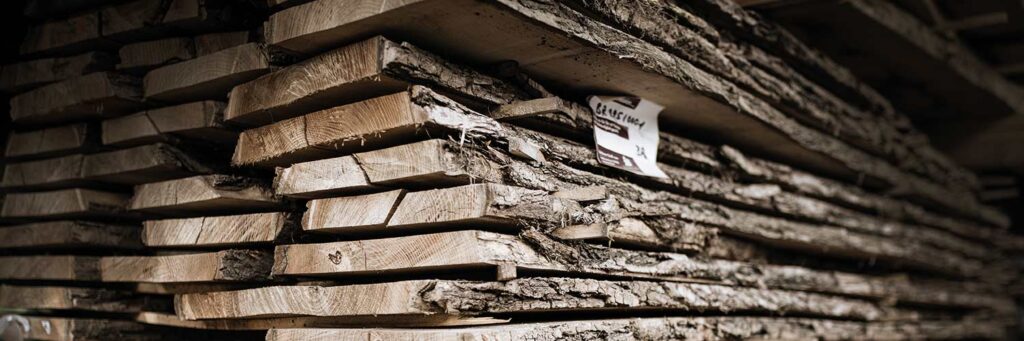
Black locust – a special type of timber for outdoor use.
Its high density and natural content of protective compounds make black locust wood particularly resistant to fungi, bacteria and the elements. Black locust wood is classified as durability class 1, putting it on a par with tropical hardwoods such as teak and bongossi.
At the same time, the black locust grows relatively quickly and, as a pioneer tree, is widespread across large parts of Europe. Its wood is exceptionally hard, tough and resilient. It is precisely these properties that make it so durable – but they also place greater demands on tools when working with it, as they wear out much more quickly than with many other types of wood.
Natural beauty through the ages.
When freshly processed, black locust wood has a greenish-yellow to golden colour. When exposed to sunlight, this develops into a warm, reddish-brown hue. In sheltered areas, this appearance can be largely preserved for many years.
When exposed to the elements over time, the surface gradually begins to develop an elegant silver-grey patina. This natural greying process does not affect the durability of the wood. On the contrary: many people appreciate this silver-grey surface precisely because it is an expression of natural beauty and the material’s inherent character.
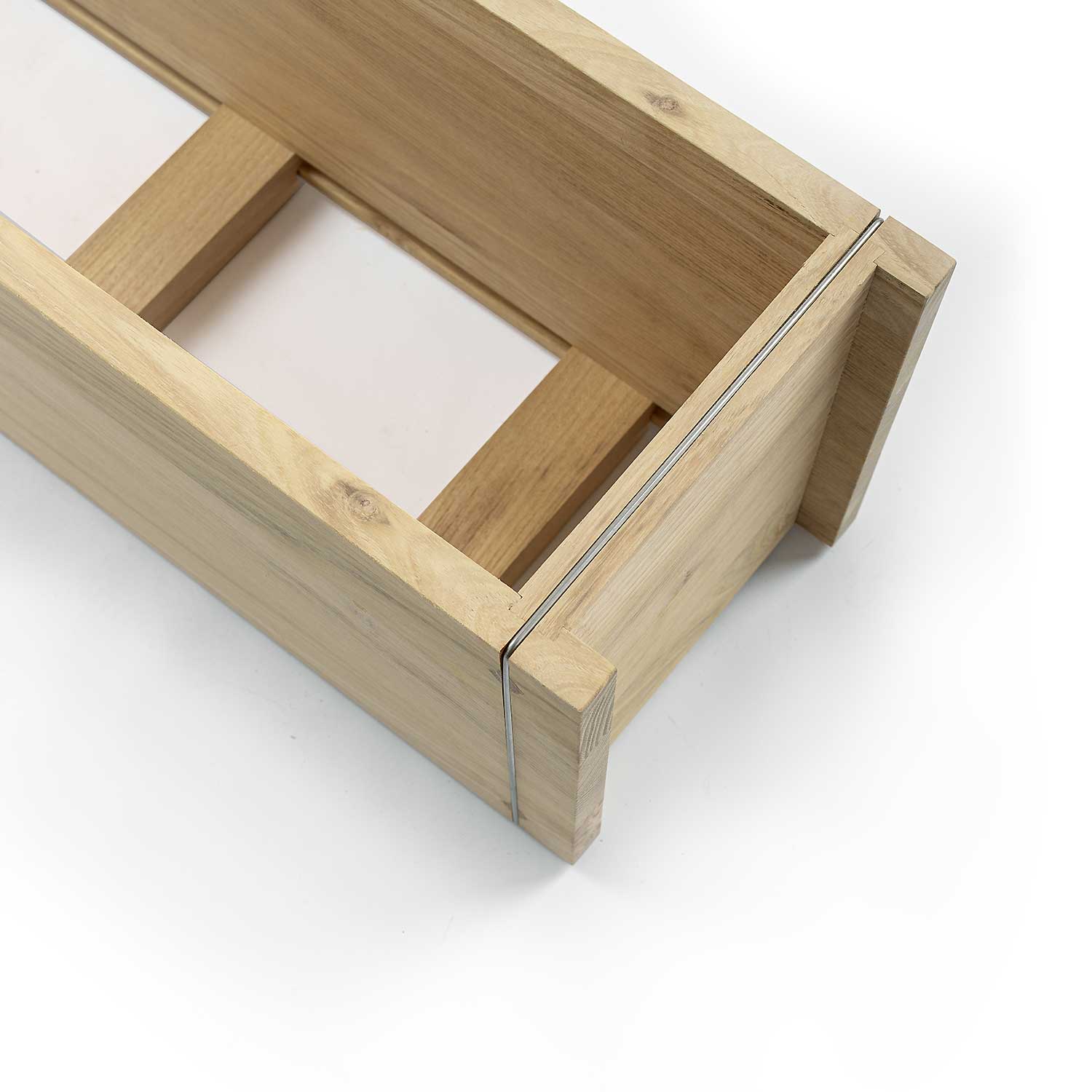
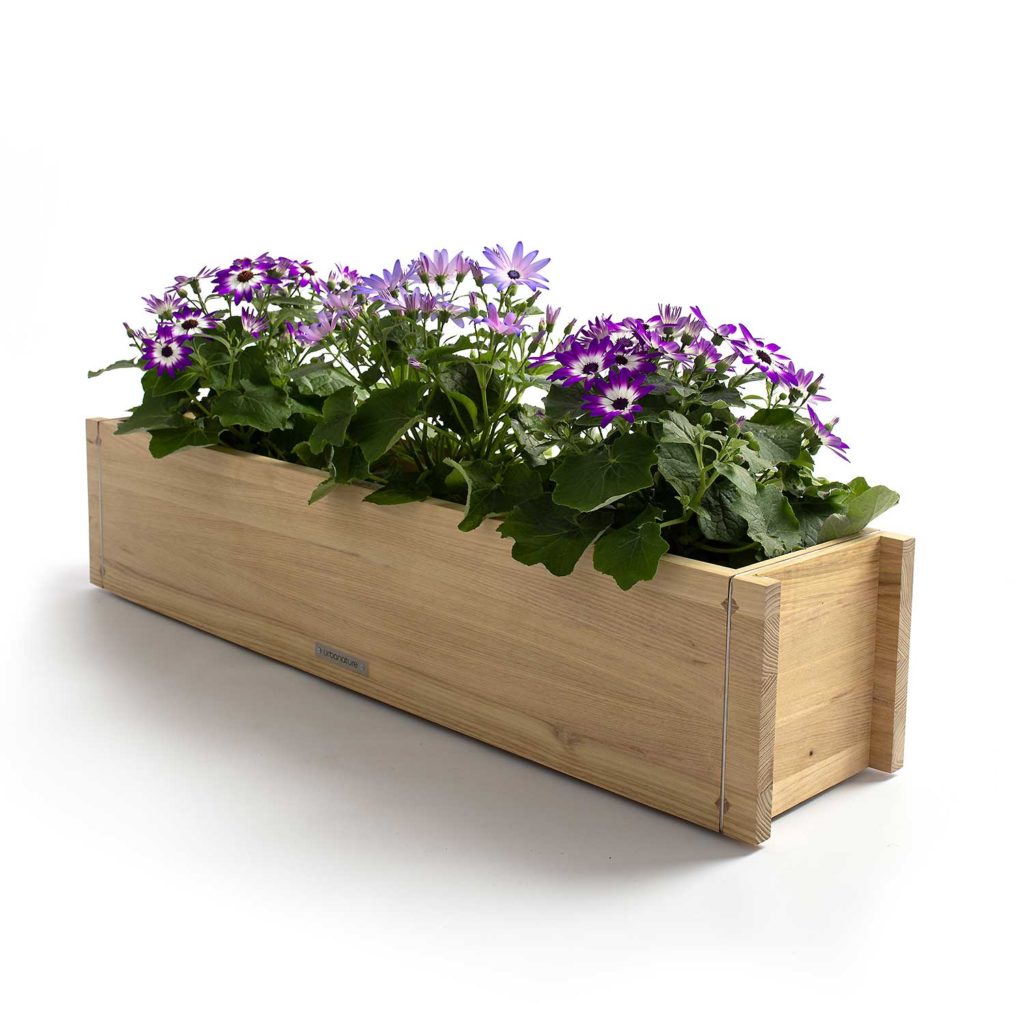
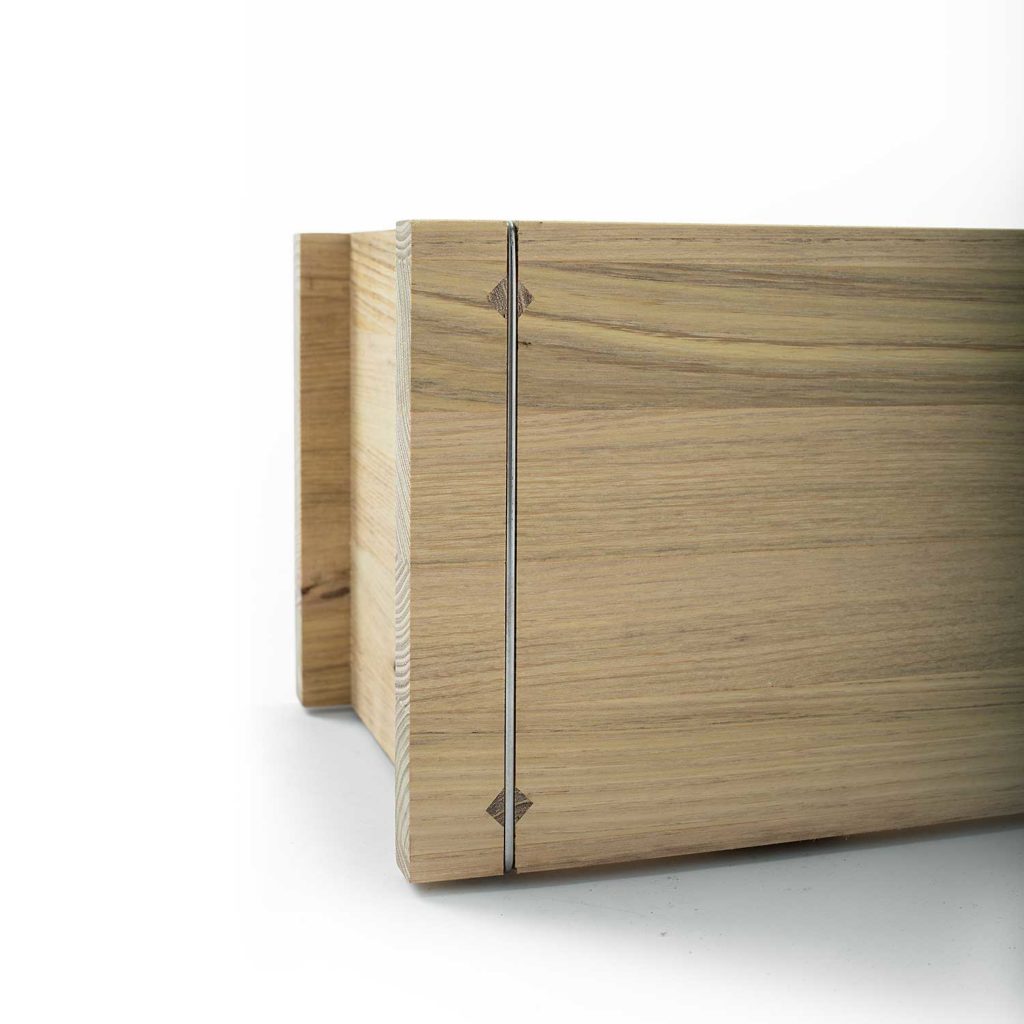
Black locust – low-maintenance timber for outdoor use.
If you want to preserve the original colour for longer, or if you’re determined to oil black locust wood, you’ll need a bit of patience. Our practical tip:
First, leave the wood to weather naturally for about a season. Then lightly sand the surface, dust it off thoroughly and treat it with a suitable decking oil.
The reason: straight from the planer, black locust wood is very smooth and dense. As a result, it absorbs hardly any oil. Even sanding it straight away is of little use at first, as sandpaper wears out very quickly on black locust. It is therefore worth giving the wood time: wait for about a year before oiling it.
A living, natural material.
Small cracks on the end-grain surfaces are a natural occurrence in solid wood. They are caused by the wood’s natural movement and change depending on the weather. Rain causes them to close up again, whilst sunshine makes them more visible. This is precisely what makes robinia wood a living material that moves in harmony with the seasons.
Black locust is low-maintenance, exceptionally durable and a timber that will last for many years – particularly in outdoor applications where timber really has to prove its worth.
The right wood for the right application.
At Urbanature, we use wood where it can best showcase its strengths. For outdoor applications, we use only robinia wood – one of the most durable native hardwoods and ideal for products exposed to sun, rain and changing weather conditions.
Our wooden balcony planters, all our outdoor vertical gardens and our raised balcony beds are therefore made from high-quality black locust wood. We use knot-free, chamfered timber: neatly finished, pleasant to the touch and exceptionally durable for outdoor use.
For interior applications, we deliberately choose other native hardwoods that are better suited to this purpose. Here, we use white ash – heartwood-free, light in colour and very easy to stain – as well as oak, which is treated with colourless hard wax oil. Both types of wood are much easier to plane, sand and oil than robinia. They are practical, high-quality and look particularly elegant in the living space.
This is how our ‘Hochgarten’ flower stands are made from oak, whilst our plant ladders and indoor gardens are crafted from ash. These hardwoods, too, come from native tree species and combine the natural quality of the material with a modern, homely look.
For outdoor use: sturdy black locust. For indoor use: fine-grained ash and oak. The right wood for the right application.